App Alchemy: Tracing How Slot Volatility Patterns Inform Adaptive Football In-Play Decisions on Handheld Interfaces
Leon Vogel · May 19, 2026

App Alchemy: Tracing How Slot Volatility Patterns Inform Adaptive Football In-Play Decisions on Handheld Interfaces
The blending of slot volatility analysis with real-time football betting choices has gained traction as mobile platforms refine their interfaces for seamless data integration, and developers now embed volatility indicators directly into live match dashboards to guide stake adjustments during key moments. High-volatility slots, characterized by infrequent yet substantial payouts according to industry reports from the Nevada Gaming Control Board, mirror the unpredictable swings in football matches where a single goal can shift odds dramatically. This parallel allows algorithms to flag periods of elevated variance in both environments, prompting users to scale their wagers accordingly on handheld screens. Interfaces on these devices process incoming match data streams while cross-referencing historical slot sequence models, creating adaptive prompts that appear as subtle overlays rather than disruptive notifications. Researchers at the University of Melbourne have documented how such cross-domain analytics improve user engagement metrics by aligning risk profiles across game types, and their findings highlight patterns where players transfer caution from low-volatility slot sessions to conservative football bet sizing during injury time.Volatility Metrics in Mobile Contexts
Slot volatility calculations rely on standard deviation measures of return distributions, which translate effectively to football in-play scenarios involving fluctuating possession statistics and shot accuracy rates. When a match enters a high-tension phase, such as extra time in cup competitions, the system draws from volatility clusters observed in reel-based games to suggest dynamic odds recalibrations that fit the current device viewport without requiring menu navigation. Observers note that handheld processors handle these computations efficiently because they leverage cached pattern libraries updated weekly, and this setup supports rapid transitions between viewing live commentary feeds and adjusting bet parameters. Data from European gaming analytics firms shows increased session durations when interfaces present volatility heat maps alongside pitch visualizations, enabling bettors to anticipate momentum shifts with greater precision.Adaptive Decision Frameworks on Handhelds
Football in-play modules incorporate volatility thresholds that trigger conditional interfaces, for instance displaying expanded cash-out sliders during sequences modeled after bonus round activations in digital slots. This approach stems from iterative testing cycles conducted by app engineers who map reel spin distributions onto goal probability curves, resulting in decision trees that adapt to both user history and live event variables. And yet the integration extends beyond mere visual cues, incorporating haptic feedback patterns calibrated to volatility levels so that a sudden spike in match tension vibrates the device in ways reminiscent of near-miss alerts common in high-variance machines. One developer group reported that these sensory links reduce cognitive load during fast-paced halves, allowing quicker responses to corner kick opportunities or penalty decisions.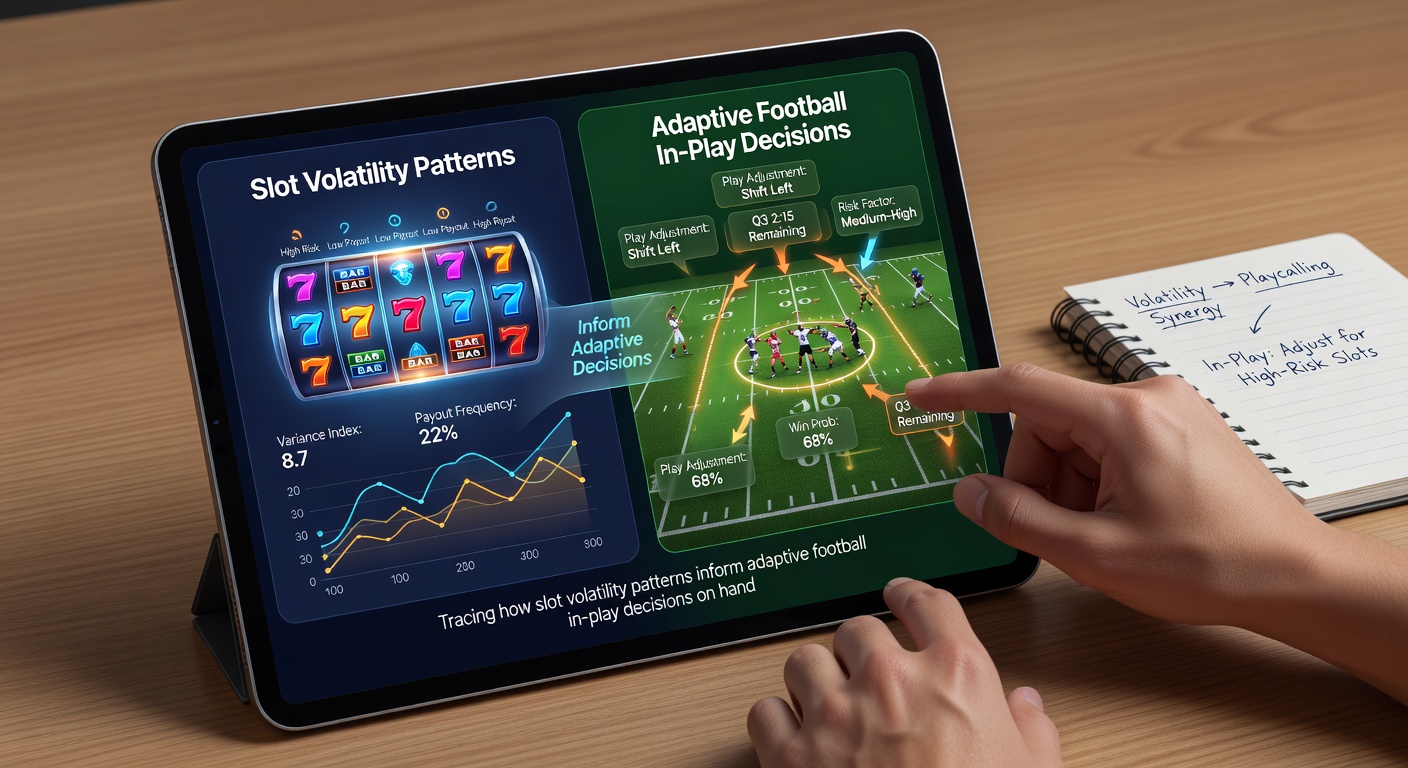 What's interesting here involves the timing of feature rollouts, with several platforms scheduling enhanced volatility syncing tools for release phases beginning in May 2026 to coincide with major league schedules and pre-tournament preparations. These updates build upon existing data pipelines that pull from centralized servers maintaining anonymized play logs across verticals, ensuring consistency in how variance signals inform both reel outcomes and goal-line markets.