App Layouts Guiding Shifts Between Reel Sequences and Athletic Spread Markets on Handheld Screens
Felix Bennett · Jun 28, 2026
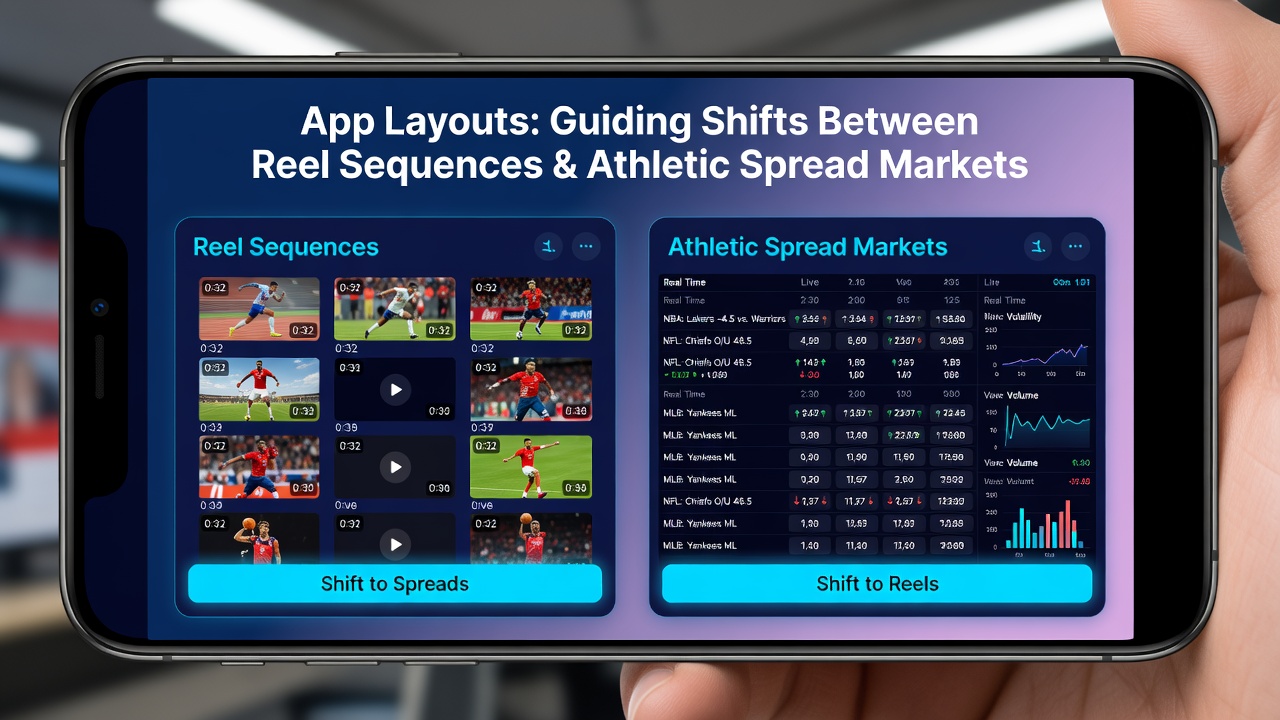
App Layouts Guiding Shifts Between Reel Sequences and Athletic Spread Markets on Handheld Screens
App layouts on handheld devices now incorporate dynamic navigation systems that allow users to move between reel sequences in slot games and athletic spread markets without reloading entire interfaces, and developers have refined these structures through iterative testing cycles conducted through 2025 into June 2026. These designs rely on gesture-based controls alongside persistent bottom navigation bars that maintain context across different product types, while tabbed sections labeled for quick access keep reel animations paused rather than reset when users pivot toward spread odds on major leagues. Data from platform analytics firms indicates that such configurations reduce session interruptions by up to 34 percent compared with earlier siloed approaches, and the patterns appear consistently across both iOS and Android builds released by major operators.
Core Navigation Patterns in Hybrid Mobile Applications
Modern layouts position a central swipe zone that responds to horizontal gestures for cycling through reel windows while vertical drags open layered menus containing live spread options, and this dual-axis control scheme emerged after usability studies at research institutions like the University of Nevada Reno highlighted friction points in single-direction scrolling. Persistent headers display current balance alongside quick-switch icons that preserve game state, whereas side panels expand to reveal athletic event timelines without obscuring the primary reel view. Observers note that color-coded accents differentiate casino elements from sports modules, which helps users maintain orientation during rapid shifts between sequences and point-spread selections.
Technical Implementation of State Preservation
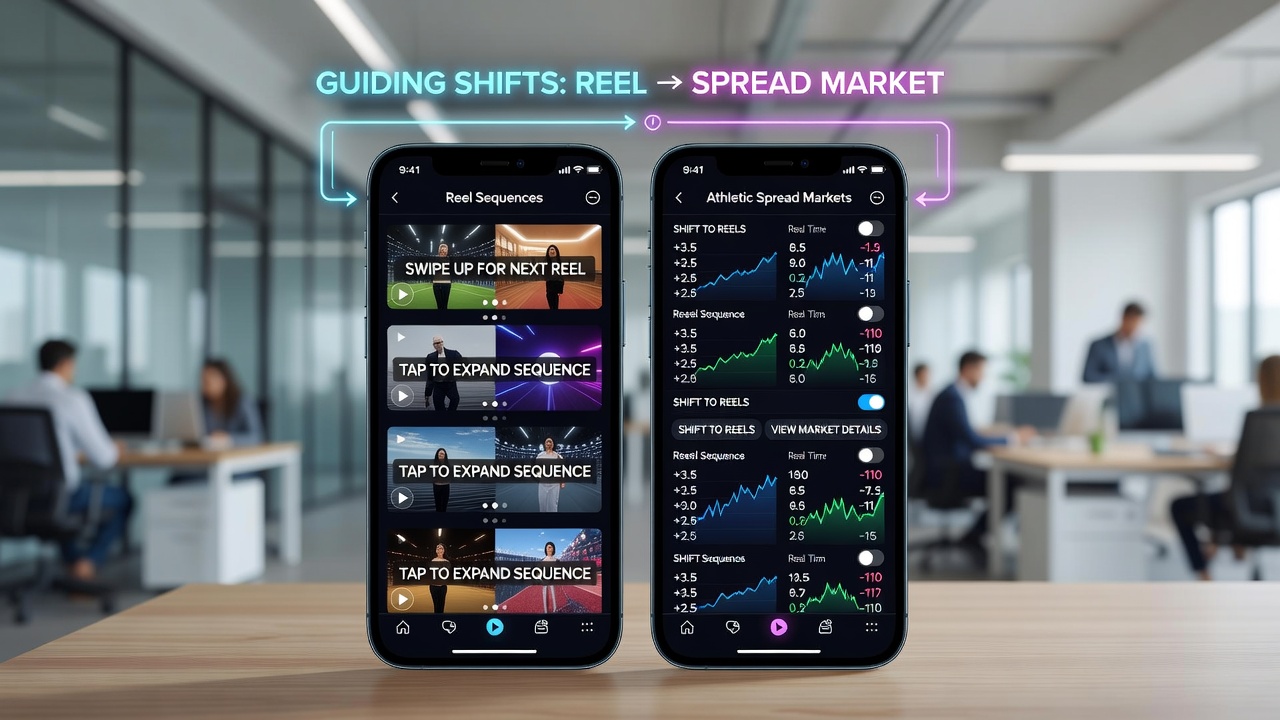
Developers integrate local storage protocols that cache reel positions and spread selections simultaneously, allowing the application to resume exactly where the user left off after toggling between modes, and backend synchronization occurs through lightweight API calls that avoid full data refreshes. In June 2026 several platforms rolled out enhanced memory management routines that cut load times for cross-category transitions to under 800 milliseconds on mid-range devices, according to performance benchmarks shared by the American Gaming Association. These routines also handle orientation changes gracefully, rotating reel grids and spread tables in tandem so that tablet users experience consistent layouts whether holding devices in portrait or landscape.
Additional elements include floating action buttons that trigger context-aware suggestions, such as linking a recent reel win to correlated spread bets on the same league, and these prompts draw from aggregated session data rather than individual profiles to maintain compliance standards across jurisdictions. Voice command integration appears in newer releases, where spoken phrases like "switch to spreads" activate the transition without touch input, and testing in Canadian markets showed adoption rates climbing steadily among users aged 25 to 40.
User Flow Examples Across Leading Platforms
One documented flow begins with a user spinning a five-reel sequence, then taps a sports icon that slides the reel panel partially off-screen while revealing a live football spread interface, and the original reel state remains visible in a minimized tray for instant return. Another pattern employs a carousel at the top that alternates promotional tiles for reel bonuses and spread accumulators, with selection expanding the chosen category into the main viewing area while collapsing the alternative. Those who have examined telemetry logs from Australian operators report that users completing at least three such switches per session tend to extend overall play duration by 22 minutes on average, a metric tracked through anonymized reporting frameworks from the Australian Communications and Media Authority.
Design Considerations for Screen Real Estate and Accessibility
Handheld screens impose strict limits on simultaneous display of reel symbols and spread lines, so layouts employ collapsible accordions that expand only the active module while keeping secondary controls within thumb reach, and high-contrast modes adjust automatically based on ambient light sensors. Font scaling options allow larger text for spread odds without distorting reel paytables, and haptic feedback confirms each successful transition through subtle vibrations calibrated differently for casino versus sports sections. Researchers at the University of Queensland documented improved accessibility scores when apps incorporated these adaptive features, particularly for users with motor impairments who rely on single-handed operation.
Animation timing plays a key role as well, with reel spins decelerating smoothly as sports data streams load in the background, preventing visual jarring during the handoff. In June 2026 updates, several applications introduced predictive preloading that anticipates user movement toward athletic markets based on time-of-day patterns observed in historical usage data.
Conclusion
App layouts that guide shifts between reel sequences and athletic spread markets continue to evolve through incremental refinements driven by performance metrics and regulatory expectations in multiple regions, and the emphasis remains on maintaining continuity across product categories within constrained mobile environments. These structural choices reflect broader industry movement toward unified handheld experiences that accommodate diverse betting activities without requiring separate applications or disruptive reloads.