Cross-Platform Integration in Modern Betting Ecosystems: Football In-Play Data to Casino Payouts
Avery Schmid · Sep 21, 2026
Cross-Platform Integration in Modern Betting Ecosystems: Football In-Play Data to Casino Payouts
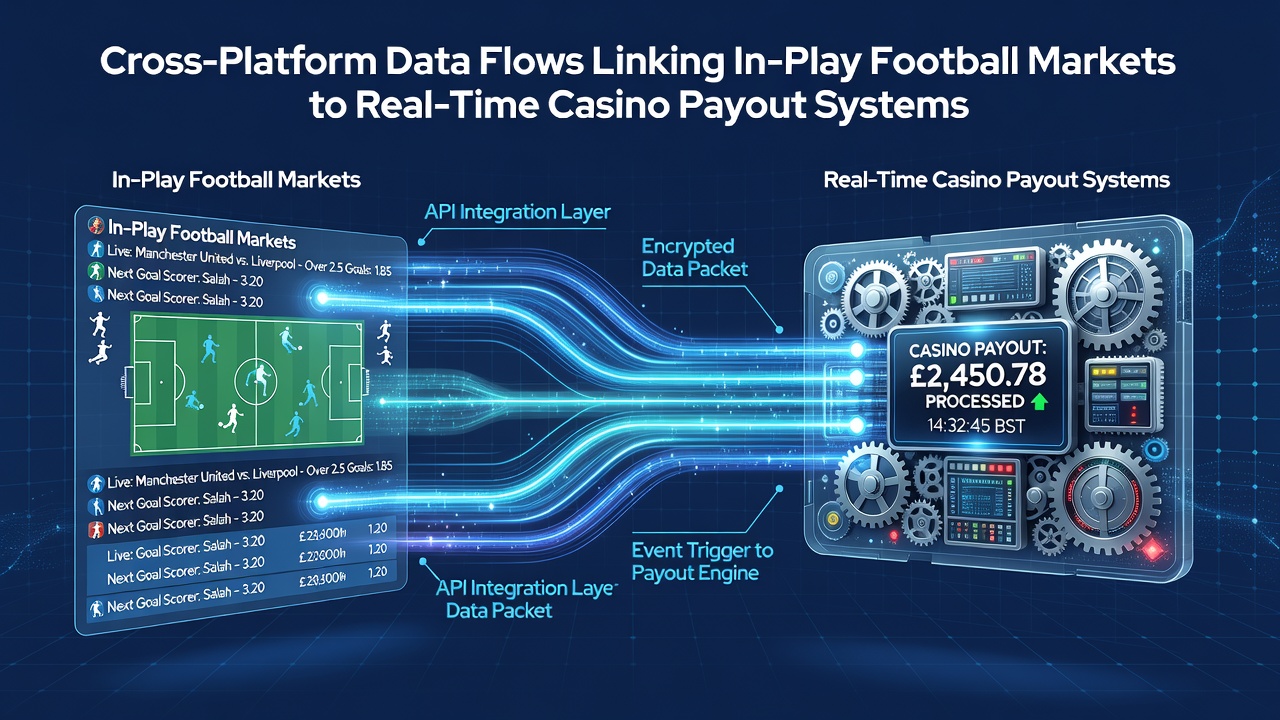
Operators have developed data pipelines that connect in-play football markets directly to casino disbursement engines, allowing wagers placed during matches to trigger immediate balance updates in linked casino accounts. These systems rely on application programming interfaces that transmit odds changes, stake confirmations, and settlement results across platforms in milliseconds, while security protocols encrypt each transaction segment.
Core Technical Mechanisms
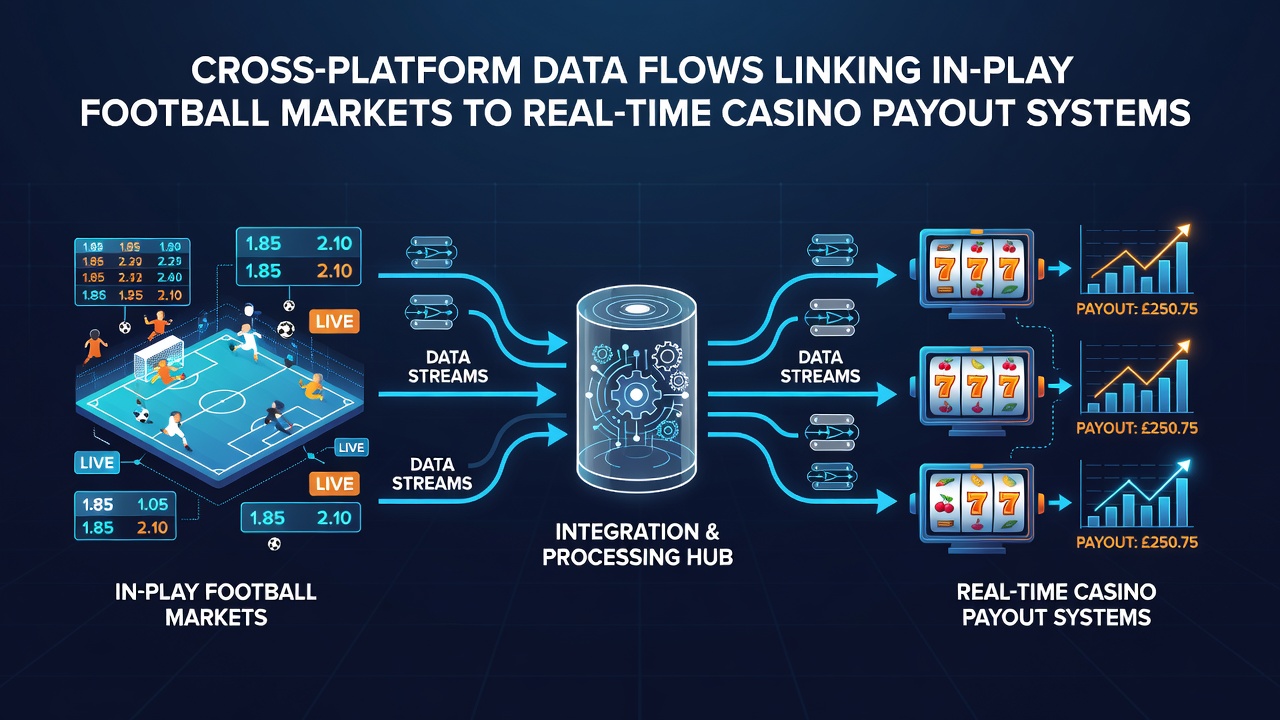
Real-time data streams originate from football event feeds supplied by official leagues and third-party aggregators, then route through middleware layers that normalize the information for both sportsbooks adn casino modules. When a goal occurs or a corner kick is awarded, the updated probabilities flow into betting engines and simultaneously update risk models that influence casino game parameters such as progressive jackpot seeds or live dealer table limits. Observers note that this bidirectional flow reduces latency between the moment a football market settles and the moment a player can access equivalent funds in slots or table games.
Database synchronization occurs through event-driven architectures where each completed football transaction generates a message that casino payout queues consume without polling delays. Researchers at institutions studying distributed ledger technologies have examined how these queues maintain consistency across geographically dispersed servers, ensuring that a win recorded in one jurisdiction appears instantly in a player's multi-game wallet.
Regulatory and Compliance Frameworks
Authorities in several regions have begun requiring operators to maintain auditable logs of every data packet exchanged between football and casino systems. In September 2026, updates to cross-border data standards in parts of the European Union are scheduled to take effect, mandating that payout verification routines include cryptographic timestamps for both sports and casino segments. These rules aim to prevent discrepancies that could arise when a single player account spans multiple product verticals.
Industry groups such as the European Gaming and Betting Association have published technical guidelines that describe minimum encryption levels and failover procedures for integrated platforms. Compliance teams test these procedures through simulated match scenarios that replicate sudden odds swings and concurrent casino bonus triggers, confirming that settlement accuracy remains above 99.8 percent under peak load.
Implementation Examples Across Markets
One major operator in Australia integrated its in-play Australian Football League markets with its online casino in early 2025, resulting in documented reductions in average withdrawal processing time from 47 seconds to under 12 seconds for eligible players. The same infrastructure now handles rugby and cricket events, demonstrating that the underlying data model scales across different sports without requiring separate payout engines.
Canadian provincial regulators have reviewed similar linkages in Ontario-licensed sites, where real-time football data feeds influence both sports odds and the timing of slot tournament entries. Figures released by the Responsible Gambling Council indicate that platforms employing unified data flows report fewer customer service tickets related to delayed balance updates compared with siloed systems.
Engineers emphasize that message queuing services such as Apache Kafka or cloud-native equivalents handle the volume spikes that occur during major tournaments, routing each football settlement event to the appropriate casino ledger while preserving player session continuity. Redundancy clusters activate within 200 milliseconds if primary nodes experience latency, preserving the appearance of seamless movement between product categories.
Security and Fraud Prevention Layers
Multi-factor authentication tokens travel alongside transaction payloads, allowing payout systems to validate that the same verified identity initiated both the football wager and the subsequent casino withdrawal request. Anomaly detection algorithms scan for patterns such as rapid cycling between sports and casino products that might indicate coordinated manipulation attempts, flagging accounts for manual review before funds are released.
Penetration testing firms contracted by operators simulate injection attacks on the data interfaces, confirming that input sanitization routines prevent unauthorized alterations to either football odds or casino payout multipliers. Those who have examined breach reports from earlier years note that isolated systems suffered higher rates of successful exploits than integrated platforms that share unified monitoring dashboards.
Conclusion
Cross-platform data flows between in-play football markets and real-time casino payout systems continue to evolve through incremental improvements in messaging protocols and compliance tooling. As September 2026 approaches, operators and regulators alike are focusing on standardized testing regimens that verify both speed and accuracy across jurisdictions. These developments rest on established engineering practices rather than novel inventions, yet their combined effect produces measurable gains in transaction reliability for players who move between sports and casino offerings within a single account.