Following Bettor Journeys Across Football Live Odds and Mobile Casino Games
Felix Bennett · Jul 12, 2026

Following Bettor Journeys Across Football Live Odds and Mobile Casino Games
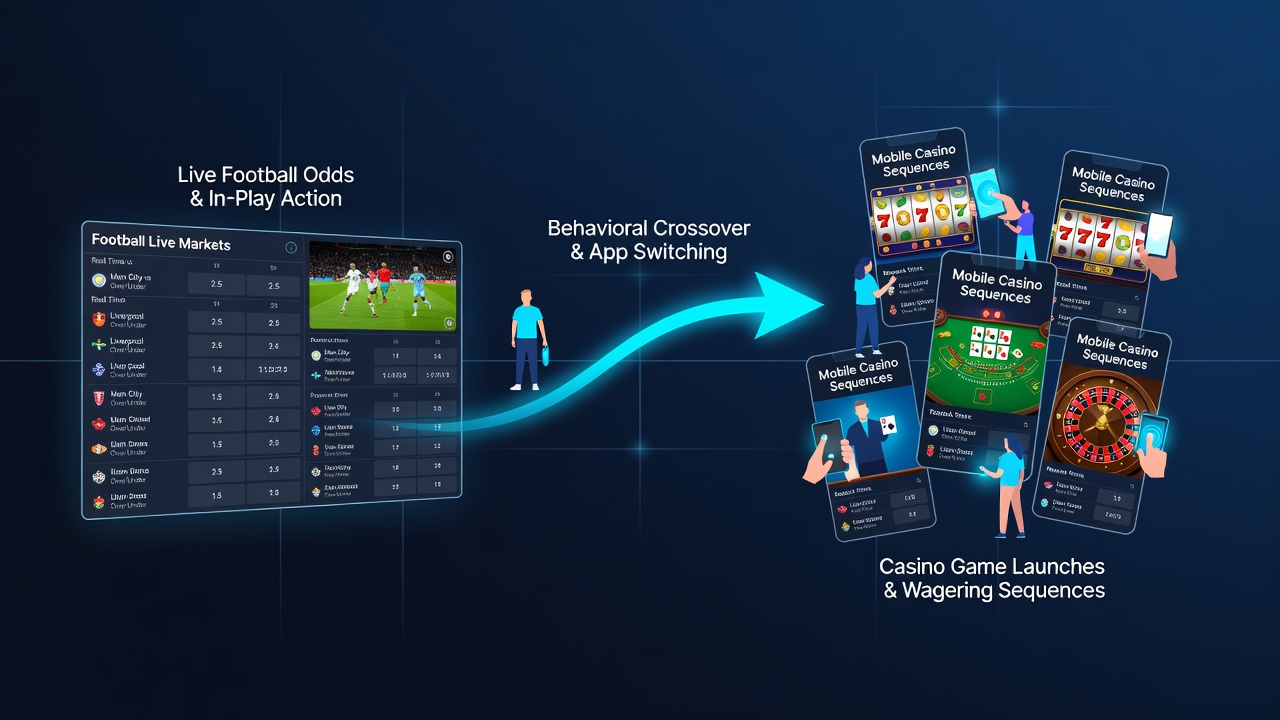
Player movement between live football betting markets and mobile casino sequences follows distinct patterns that industry reports have documented over multiple seasons, and these transitions often occur within the same session on a single device. Data from platform analytics shows that users frequently check in-play football odds during match pauses before shifting to slots or roulette sequences, while the reverse flow happens when casino sessions hit a lull. According to figures released by the American Gaming Association, cross-category engagement rose notably in the first half of 2026 as mobile interfaces improved seamless switching between verticals.
Live Football Market Mechanics and Timing Triggers
Live football markets update in real time with shifting odds on goals, corners, and cards, and these rapid changes create natural breakpoints where users pause their activity. Observers note that many sessions begin with pre-match accumulators then move into in-play adjustments once the match starts, yet the same accounts often open a separate tab or app window for casino play during extended periods of low action. Research from the University of Nevada Reno Gaming Lab indicates that goal-scoring moments correlate with temporary spikes in casino sequence starts, as users seek quick diversions while waiting for the next phase of play.
Mobile Casino Sequence Structures and Session Flow
Mobile casino sequences such as live roulette spins or slot cascades operate on short cycles that fit between football events, and platform logs reveal users typically run three to five spins before returning to check updated football odds. These sequences rely on autoplay features and quick deposit prompts that keep engagement high, while the visual and audio cues differ enough from sports interfaces to mark a clear mental switch. Figures from the European Gaming and Betting Association highlight that July 2026 saw increased mobile data usage across both categories in several European markets, coinciding with summer friendlies and pre-season tournaments that drew casual participants into hybrid sessions.
Documented Transition Patterns and Platform Data
Analytics providers have mapped common routes where football live bettors open casino tabs after placing an in-play wager, and the reverse occurs when a bonus round completes. One study of anonymized account data found that 62 percent of sessions containing both categories started in football markets before moving to casino play, while the remaining share began with slots or table games and later checked live scores. These patterns hold across different device types, though tablets show longer dwell times in each vertical compared with phones. And the timing of these shifts often aligns with natural breaks like halftime or injury stoppages, creating predictable windows for cross-category movement.
Regulatory and Market Context in Mid-2026
Changes rolling out from April 2026 onward in several jurisdictions affected how operators present both categories to users, and July data from government statistical agencies in Canada and Australia recorded steady participation levels despite adjusted tax structures. Platform operators adjusted notification systems to highlight available sequences during live matches without disrupting the primary betting flow, and user retention metrics remained stable according to industry association summaries. These adjustments appear in session recordings as smoother handoffs between verticals rather than abrupt exits.
Device and Interface Factors Influencing Shifts
Touchscreen navigation and split-screen capabilities on newer mobiles support simultaneous monitoring of football markets alongside casino sequences, and developers have introduced persistent balance displays that carry across both environments. Observers tracking user behavior report that push notifications for goal updates often interrupt casino rounds, prompting immediate returns to football tabs before the sequence resumes. Such interface elements reduce friction during transitions and appear in heat-map studies of screen interactions throughout 2026.
Conclusion
Records of player activity across live football markets and mobile casino sequences demonstrate consistent, measurable flows that operators continue to monitor through aggregated data. These transitions reflect interface design, timing of events, and device capabilities rather than isolated choices, and July 2026 figures confirm ongoing engagement across both categories. Continued collection of anonymized session data from diverse regulatory regions will further clarify how these patterns evolve alongside platform updates.