Forecasts Entwined with Chance: Athletic Data Projections and RNG Dynamics in Mobile Platforms
Leon Hartmann · Jun 5, 2026
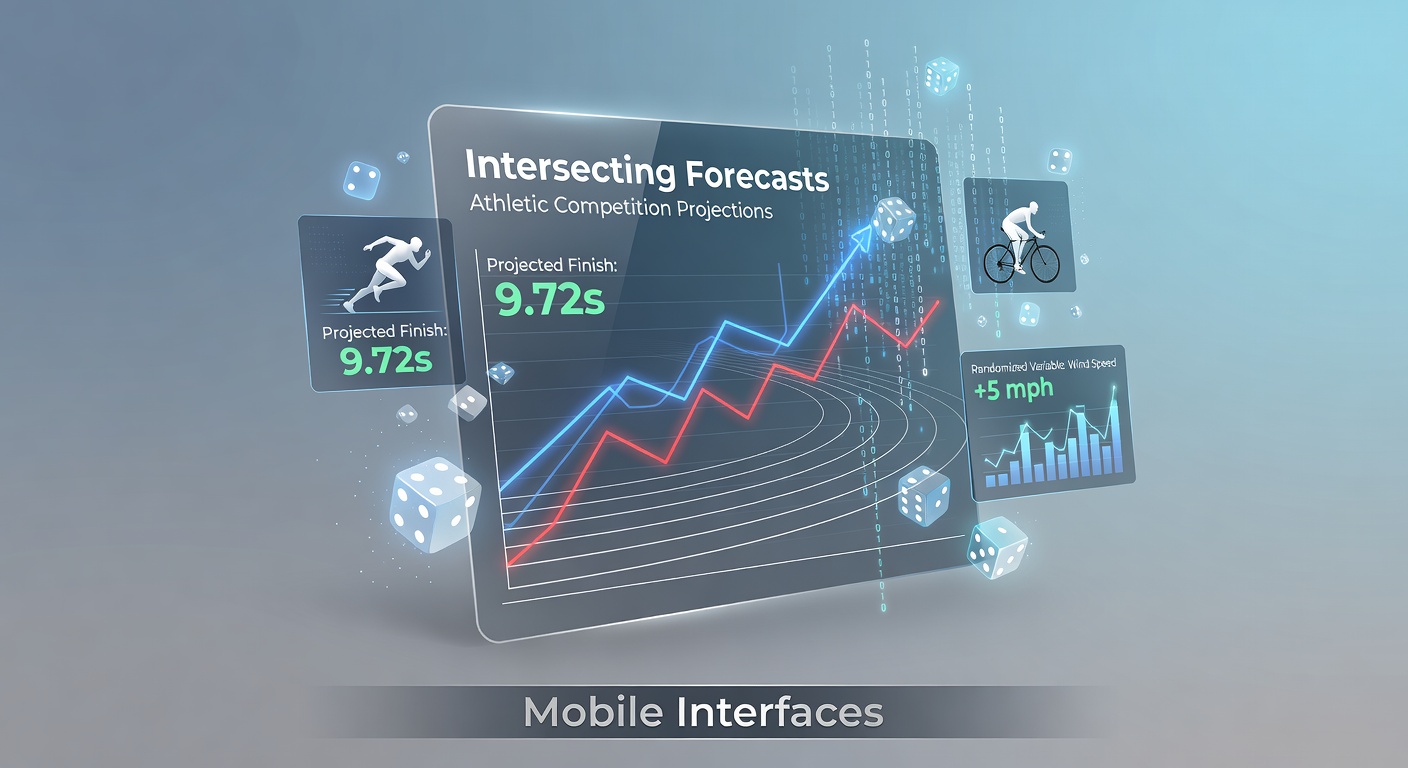
Forecasts Entwined with Chance: Athletic Data Projections and RNG Dynamics in Mobile Platforms
Analysts track how athletic competition projections integrate with digital randomization systems inside mobile interfaces, where statistical models for player performance and team outcomes merge with algorithms that generate unpredictable results during gameplay sessions. Data from industry reports shows these systems operate through layered software that pulls live or historical sports metrics and feeds them into random number generators, creating hybrid experiences that adjust bonus triggers or payout structures based on projected variables like goal probabilities or point spreads.
Developers build these platforms by combining predictive analytics engines with standard RNG protocols, and users encounter interfaces that display projected athletic scenarios alongside spinning reels or card draws whose outcomes remain governed by certified randomization sequences. Research from the University of Nevada's gaming studies program indicates such integrations appear more frequently in apps that support simultaneous access to sports data feeds and casino-style mechanics, allowing the projections to influence visual displays without altering the underlying randomness that determines final results.
Core Components of Athletic Projections in Digital Environments
Projection models rely on datasets that include player statistics, injury reports, and historical match data, while mobile interfaces present these forecasts through dynamic overlays that update in real time. Engineers connect these models to backend servers that process incoming athletic information and translate selected variables into parameters for interface animations, such as highlighting probable score ranges during a simulated event sequence. Observers note that the separation between projection display and randomization remains strict, because regulatory frameworks in multiple jurisdictions require RNG certification to maintain outcome independence regardless of any overlaid predictive content.
Take one developer team that integrated basketball shooting percentage forecasts with slot bonus rounds, where the projected efficiency rates appear as thematic multipliers on screen but the actual symbol alignment follows independent random sequences verified by testing laboratories. Figures from the Canadian Gaming Association reveal steady growth in such hybrid mobile titles through early 2026, with user engagement metrics showing longer session times when projections update alongside randomized elements without direct causation between the two systems.
Role of Digital Randomization Mechanisms
Random number generators in mobile interfaces produce sequences that determine symbol positions, card values, or wheel segments according to mathematical algorithms tested for fairness and unpredictability. These mechanisms function independently of any athletic projection inputs, yet interface designers position projection data in adjacent panels or pop-up windows so users can reference forecasts while engaging with randomized gameplay. Studies conducted by the International Gaming Institute document how RNG certification processes now incorporate review of display layers to confirm that visual references to sports projections do not influence the certified random outputs.
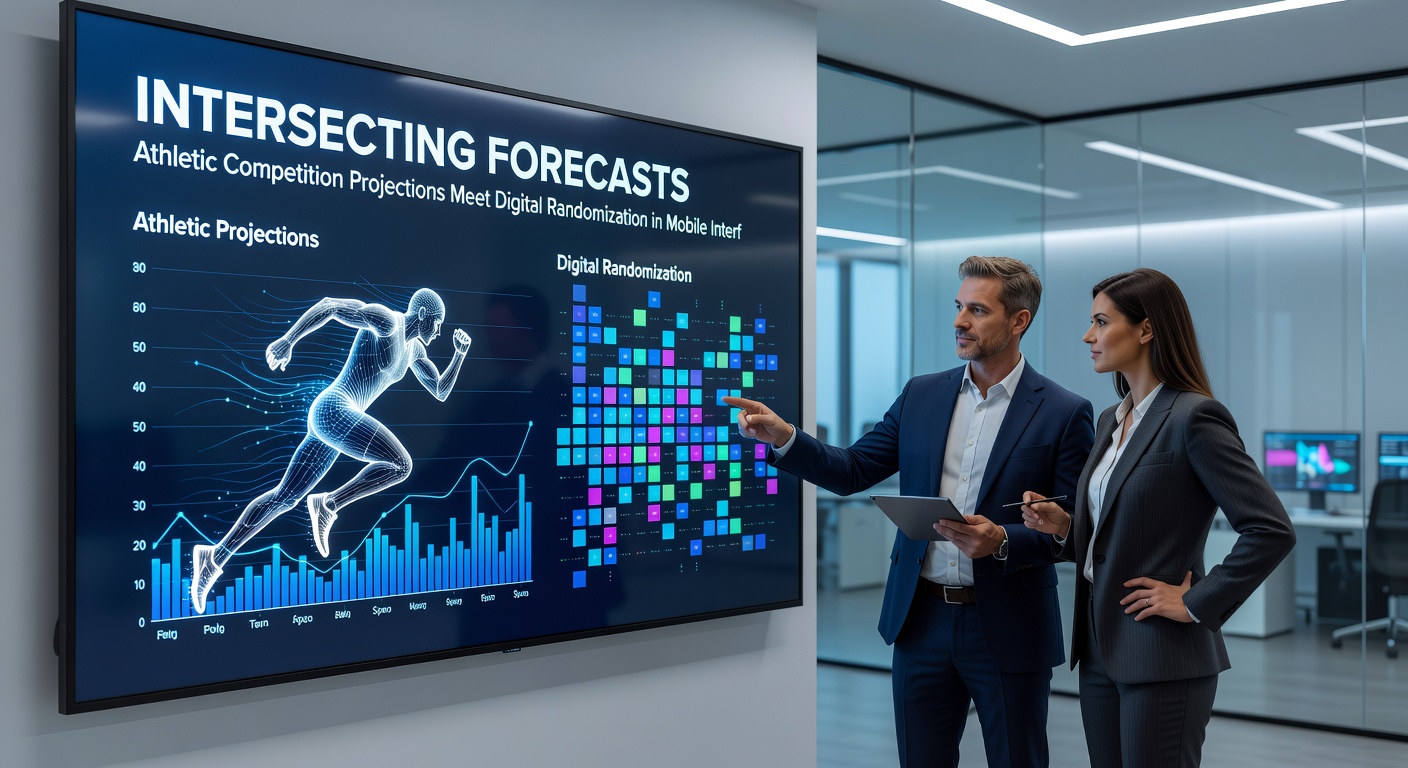
Software updates scheduled for release around June 2026 incorporate enhanced API connections that allow real-time sports data streams to refresh projection panels without touching the core RNG modules, preserving separation while improving visual cohesion for users. Technicians implement checksum verification at each data handoff point, ensuring projection information serves only as contextual display rather than input to the randomization process itself.
Integration Patterns Observed Across Mobile Platforms
Common patterns include side-by-side layouts where one section streams athletic projections derived from statistical models and another section runs randomized game cycles that may reference the same sport thematically. Users navigate these interfaces through gesture controls that switch focus between forecast panels and active random gameplay, and data logs indicate frequent toggling between the two areas during single sessions. Reports compiled by the Australian Communications and Media Authority highlight similar interface structures gaining adoption in markets outside traditional betting corridors, driven by mobile hardware improvements that support simultaneous data processing for projections and RNG calculations.
One case involved a platform that layered soccer possession forecasts onto a digital card game interface, where projected team control percentages appeared in a persistent header while the randomized card draws proceeded according to separate algorithmic outputs. Testing protocols require independent verification of both projection accuracy against historical benchmarks and RNG uniformity across millions of generated sequences, confirming that thematic connections do not compromise either system's integrity.
Technical and Regulatory Considerations Through Mid-2026
Platform operators coordinate with certification bodies to validate that projection engines and randomization modules maintain distinct code paths, even when rendered within unified mobile interfaces. Compliance documentation submitted to authorities in various regions details how updates scheduled for June 2026 will refine data synchronization speeds, allowing forecasts to refresh at intervals matching live athletic events without introducing latency into the RNG execution cycles. Network traffic analyses show these refinements reduce load times for projection overlays while RNG operations continue uninterrupted at millisecond intervals.
Hardware acceleration features on newer mobile devices further support these parallel processes, enabling smoother transitions between viewing athletic data visualizations and participating in randomized sequences. Industry monitoring groups record incremental adoption rates of these combined interfaces, with usage statistics reflecting steady increases across different device categories.
Conclusion
The convergence of athletic competition projections and digital randomization within mobile interfaces continues to evolve through distinct yet visually coordinated systems, supported by ongoing technical refinements and certification standards that preserve outcome independence. Data from multiple regulatory and research sources documents these developments extending into 2026, where interface designs emphasize clear separation alongside thematic integration for users accessing both projection tools and randomized gameplay on the same platforms.