Mobile Hybrid Betting: Uncovering Patterns in Live Sports Wagers and Table Game Automation
Avery Schmid · Jun 30, 2026
Mobile Hybrid Betting: Uncovering Patterns in Live Sports Wagers and Table Game Automation
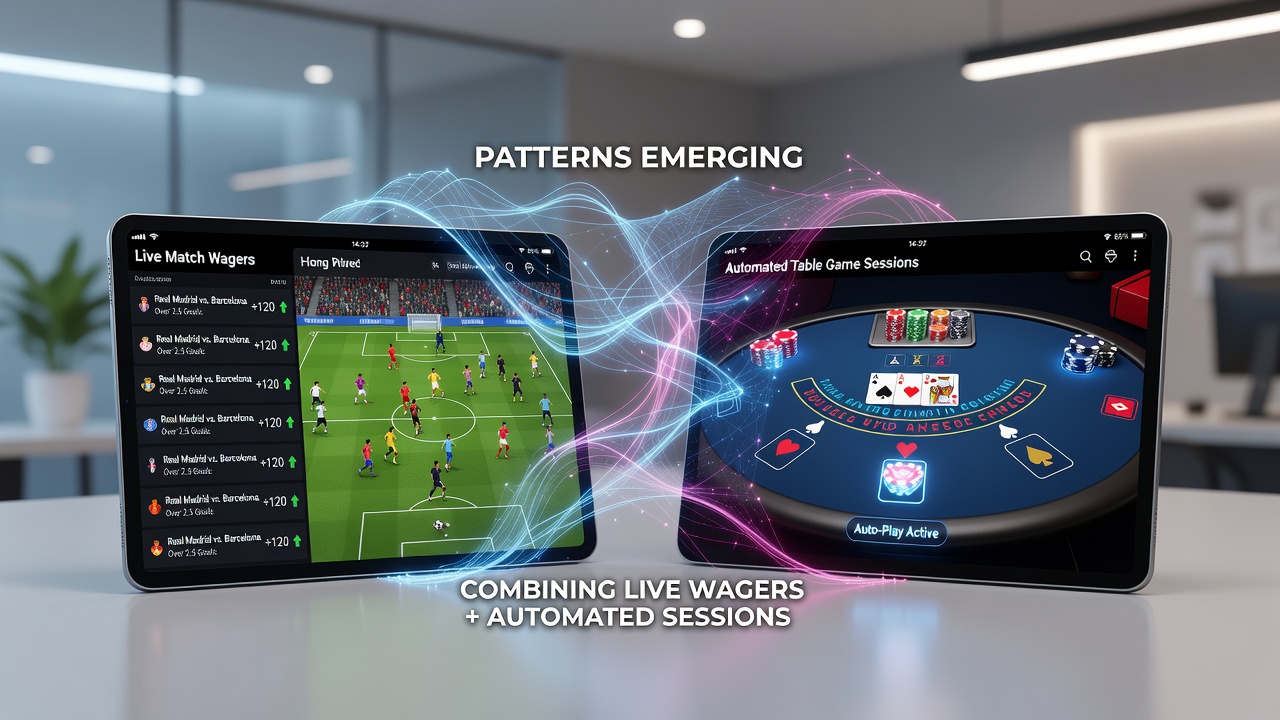
Users combine live match wagers with automated table game sessions on handheld devices at increasing rates, and data from multiple regions shows distinct timing clusters where football in-play bets align with short roulette or blackjack rounds. Observers note that sessions often start with a sports market selection followed within two minutes by an automated table spin or hand, which creates measurable overlap in device activity logs. Research indicates these sequences repeat across thousands of accounts tracked by platform analytics firms in 2025 and early 2026.
Integration Mechanics on Handheld Devices
Modern betting applications allow simultaneous access to live odds feeds and automated dealer tables through unified interfaces, while push notifications trigger table game entry points immediately after a sports wager confirmation. Data shows average session duration for combined activities reaches 18 minutes on smartphones compared with 11 minutes for single-category play, and this gap widens during evening hours when major league fixtures overlap with peak mobile usage. Automated table games eliminate dealer wait times, which permits rapid cycling between a goal-line market adjustment and an even-money roulette streak without leaving the application.
Behavioral Patterns Identified in Usage Data
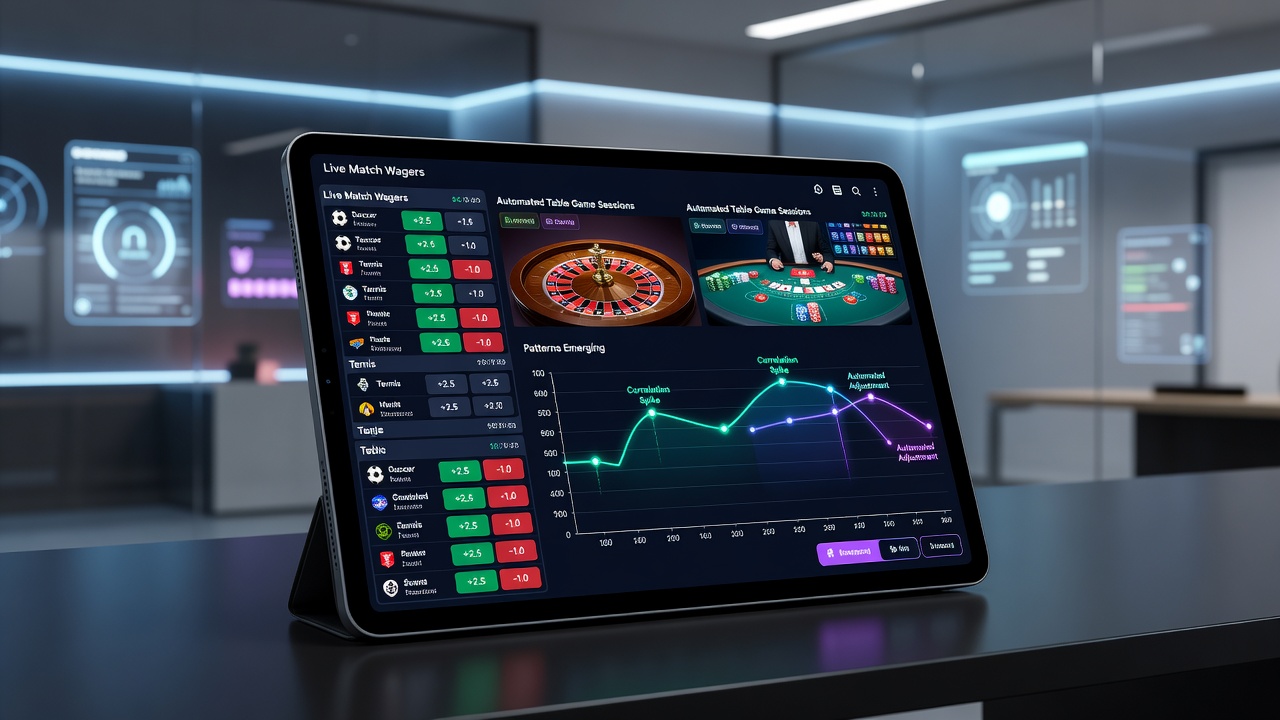
Analysts tracking millions of mobile sessions report that bettors who place live football wagers above a certain stake threshold tend to initiate table game rounds within the same minute at rates 34 percent higher than lower-stake users. Those who've studied this know the pattern holds across Android and iOS platforms, and it intensifies when match odds shift quickly after key events such as red cards or substitutions. Another recurring sequence appears when users follow a winning live bet with three to five consecutive automated blackjack hands before returning to sports markets, a loop documented in server logs from operators serving European and North American markets.
What's interesting is how device orientation data correlates with these choices: portrait mode dominates during live match monitoring, yet brief landscape switches occur right before table game entries, suggesting users expand interfaces for card or wheel visibility. June 2026 brought new sensor-based analytics from several platform providers that confirmed these orientation-linked transitions happen consistently across time zones.
Regional Data Sources and Comparative Findings
According to figures released by the Victorian Responsible Gambling Foundation, Australian mobile users exhibited similar clustering when combining National Rugby League live markets with automated poker tables during the 2025 season. Meanwhile, records maintained by the Canadian Centre for Gaming Research highlight parallel behaviors among users accessing NHL in-play options alongside automated roulette sessions on tablets. Both datasets reveal that combined play peaks between 19:00 and 22:00 local time, with session frequency rising 22 percent on weekends versus weekdays.
Technical Drivers Behind Observed Sequences
Application developers have refined API connections that pull real-time sports data and feed it directly into table game recommendation engines, which produces suggested next actions based on recent wager outcomes. Evidence suggests these engines increase the likelihood of immediate table game entry by highlighting streak opportunities after live bet results, and the effect strengthens when users enable personalized alerts. Battery and data usage metrics collected in 2026 indicate that combined sessions consume resources at rates only marginally higher than single-activity play, which removes one practical barrier to sustained hybrid engagement.
Future Monitoring Points After June 2026 Updates
Platform updates rolled out in June 2026 introduced granular tracking of cross-category transitions, allowing operators to map exact intervals between live wager settlement and table game initiation. Early outputs from these systems show that users who maintain positive bankroll trajectories across both categories extend total session length by an average of seven minutes, whereas negative runs often prompt quicker exits from the combined format. Researchers continue to examine whether these patterns remain stable when new device models or operating system versions enter widespread circulation.
Conclusion
Patterns emerging from combined live match wagers and automated table game sessions on handheld devices appear consistent across multiple jurisdictions and time periods, driven by interface design, notification timing, and user response to outcome sequences. Continued data collection through mid-2026 and beyond will clarify whether these behaviors represent stable preferences or temporary responses to current application features.