Patterns in Mobile App Data Reveal How Football Market Shifts Align with Table Game Bonus Cycles
Leon Hartmann · Oct 19, 2026
Patterns in Mobile App Data Reveal How Football Market Shifts Align with Table Game Bonus Cycles
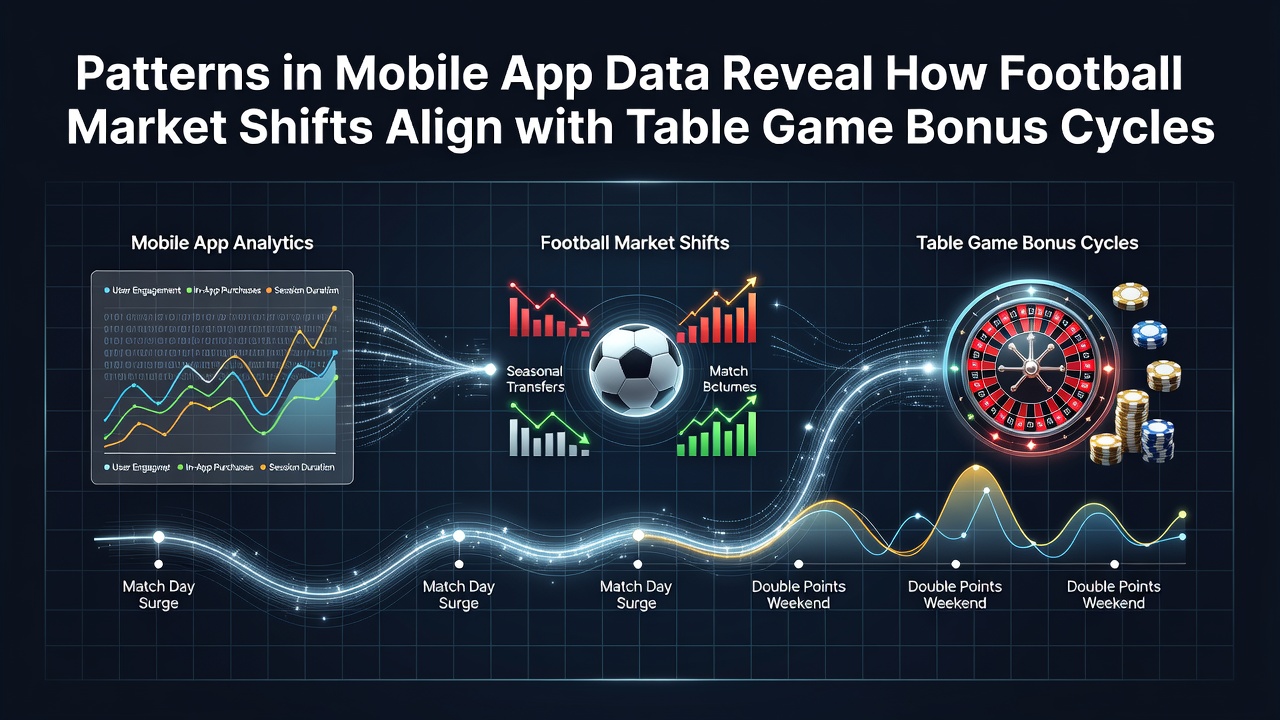
Data from mobile gaming platforms shows clear alignments between shifts in football betting markets and cycles in table game bonus activity, with researchers tracking these movements through aggregated user engagement metrics across multiple regions. Observers note that when football odds fluctuate during major league windows, corresponding spikes appear in bonus redemptions for games like blackjack and roulette, creating measurable patterns that analysts have documented since early 2025. These alignments emerge because players often move between live football markets and table game sessions within the same app sessions, and studies tracking timestamped interactions reveal that bonus cycles in table games frequently follow peak football trading periods by intervals of 48 to 72 hours.
Tracking Mobile Data Patterns
Analysts collect anonymized session data from apps that offer both sports markets and casino-style table games, focusing on variables such as bet frequency, bonus claim rates, and deposit timing. According to reports compiled by the International Center for Gaming Research at the University of Nevada, these datasets indicate that football market volatility, especially around Premier League and European championship fixtures, correlates with increased table game bonus uptake in the following days. The patterns hold across different user cohorts, with mobile-only players demonstrating stronger synchronization than desktop users, likely because push notifications and in-app prompts guide transitions between product types more seamlessly on handheld devices.
Figures from October 2026 highlight one such alignment period, when mid-season football transfers and injury announcements triggered sharp odds movements, and bonus redemption volumes in table games rose by approximately 18 percent in the same apps during the subsequent weekend window. Researchers cross-referenced these numbers with transaction logs to confirm that the increase was not driven by standalone promotions but by users carrying over activity from football sessions. Data indicates that players who placed in-play football bets were 1.4 times more likely to activate a table game bonus within the next 36 hours compared to those who only viewed odds without wagering.
Football Market Shifts and Subsequent Table Game Activity
Football markets experience rapid adjustments during transfer windows, managerial changes, and injury reports, and these adjustments create ripple effects visible in bonus cycle data. When odds on key matches widen or narrow unexpectedly, user dwell time in the sports section increases, after which many accounts shift toward table game interfaces where bonus offers sit ready for activation. A study released by the Canadian Institute for Gambling Research documented similar sequences in North American platforms that combine soccer markets with live dealer tables, showing that the lag between football activity peaks and table game bonus claims averaged 51 hours during the 2026 autumn schedule.
One documented case involved a cluster of users in European markets who responded to altered handicap lines on Champions League fixtures by claiming roulette bonus spins within two days, and the timing matched bonus cycle resets rather than independent promotional calendars. Experts tracking these flows point out that the alignment strengthens when football markets feature high liquidity events, such as derby matches or title deciders, because the volume of micro-adjustments in odds keeps users engaged longer and raises the probability of cross-product exploration. Figures reveal that apps with integrated wallets see faster transitions, since funds move without additional verification steps, allowing the observed alignment to manifest within shorter timeframes.
Bonus Cycle Timing Relative to Football Events
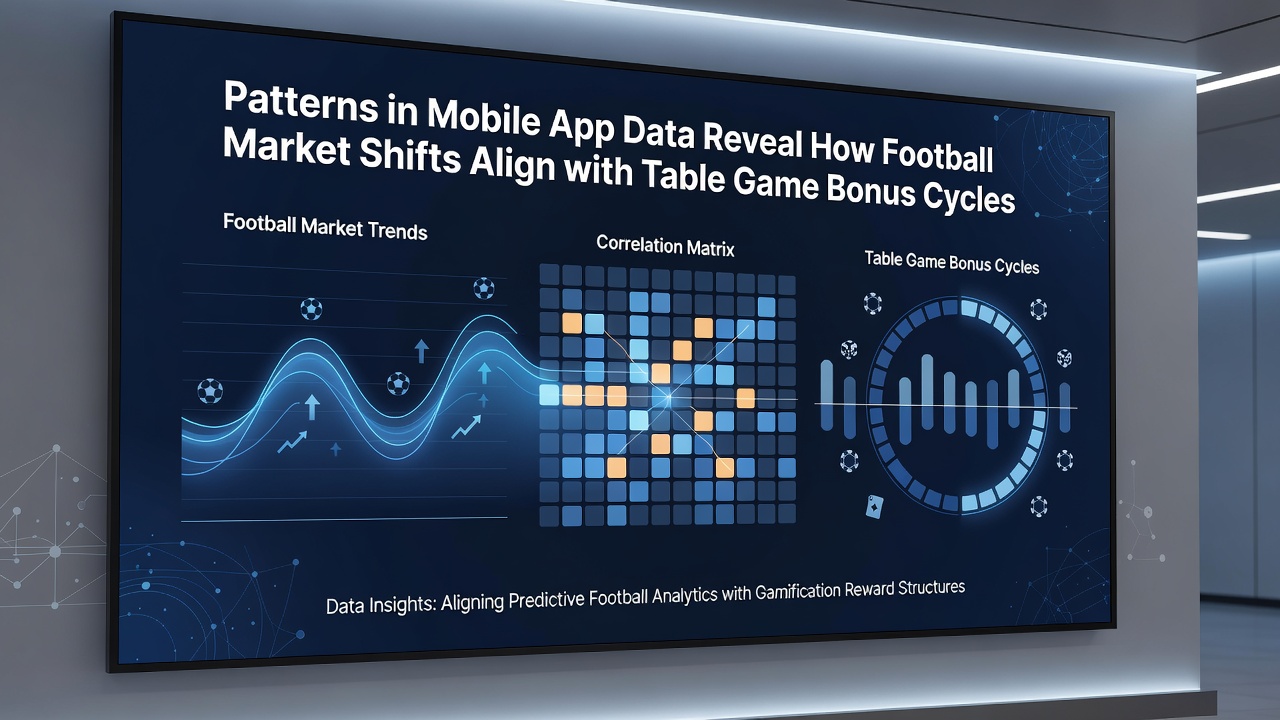
Table game bonus cycles typically reset on weekly or bi-weekly schedules, yet mobile data shows these resets frequently coincide with post-match football analysis periods when users review results adn explore new wagers. During October 2026, several platforms recorded that bonus availability windows opened within 24 hours of major European league rounds, and redemption rates climbed in tandem with football market rebalancing. Research indicates that players treat the bonus activation as an extension of their football engagement, moving from reviewing match statistics to testing table game features that carry promotional value.
Geographic variations appear in the strength of these alignments, with stronger correlations recorded in regions where mobile penetration exceeds 75 percent and where operators bundle football and table game notifications in unified feeds. Reports from the Australian Gambling Research Centre noted parallel patterns during their domestic A-League seasons, where bonus cycles for blackjack aligned with football odds movements by margins of roughly two days, mirroring the timing observed in UK and European datasets. The consistency across jurisdictions suggests that the underlying driver is user behavior rather than operator-specific design choices alone.
Implications for Platform Design and User Flow
Platform operators have begun adjusting notification sequences and bonus placement based on these observed alignments, positioning table game offers immediately after football result summaries in app feeds. Data shows that such placements increase cross-product movement by measurable margins, and session length extends when users encounter the bonus prompt during their post-football review phase. Industry reports compiled by the European Gaming and Amusement Federation emphasize that understanding these timing relationships helps optimize server load distribution, since simultaneous peaks in football trading and table game bonus claims can strain mobile infrastructure during high-traffic evenings.
October 2026 provided further confirmation when a series of unexpected football results led to extended market activity, followed by sustained table game bonus usage that lasted through the following midweek. Analysts tracking user paths found that accounts active in both categories during these windows demonstrated higher retention rates than single-product users, though the study stopped short of attributing causation. The patterns continue to inform how developers structure in-app journeys, particularly around seasonal events where football fixtures and bonus calendars intersect most densely.
Conclusion
Mobile app datasets continue to map the recurring alignments between football market movements and table game bonus cycles, with evidence accumulating from multiple research institutions across continents. The documented timing relationships, particularly the 48-to-72-hour lag observed in 2026, offer operators and analysts concrete metrics for predicting user flow between product categories. As platforms refine their data collection methods, these patterns provide a factual basis for anticipating activity spikes without relying on promotional calendars alone.