Portable Platform Integration: Examining Capital Allocation Trends in Athletic Markets and Casino Algorithms
Drew Vogel · Aug 21, 2026

Portable Platform Integration: Examining Capital Allocation Trends in Athletic Markets and Casino Algorithms
Portable platforms have expanded the ways users distribute funds between athletic event markets and randomized casino games, with algorithms now processing probability data from both sectors in real time. Data from industry reports indicate that mobile applications handle increasing volumes of cross-category allocations, where sports probabilities inform initial stakes and casino mechanics adjust subsequent distributions based on session outcomes. These systems track patterns without requiring separate accounts for each market type.
Algorithmic Processing of Athletic and Casino Data
Developers design algorithms that layer probability models from athletic competitions onto casino game outputs, creating unified allocation frameworks on handheld devices. Studies from research institutions show these models pull live event data such as team performance metrics alongside random number generator sequences in slots or table games. Users observe capital shifts as the system recalculates exposure across categories after each event resolution or spin result, maintaining separate ledgers while presenting combined dashboards.
Platforms operating in multiple regions report higher engagement when allocation tools display projected distributions drawn from both athletic odds and casino volatility measures. Figures from the Nevada Gaming Control Board reveal steady growth in mobile transaction volumes that combine these elements, particularly during major athletic seasons when event markets overlap with peak casino session times.
Capital Tracking Mechanisms Across Event Types
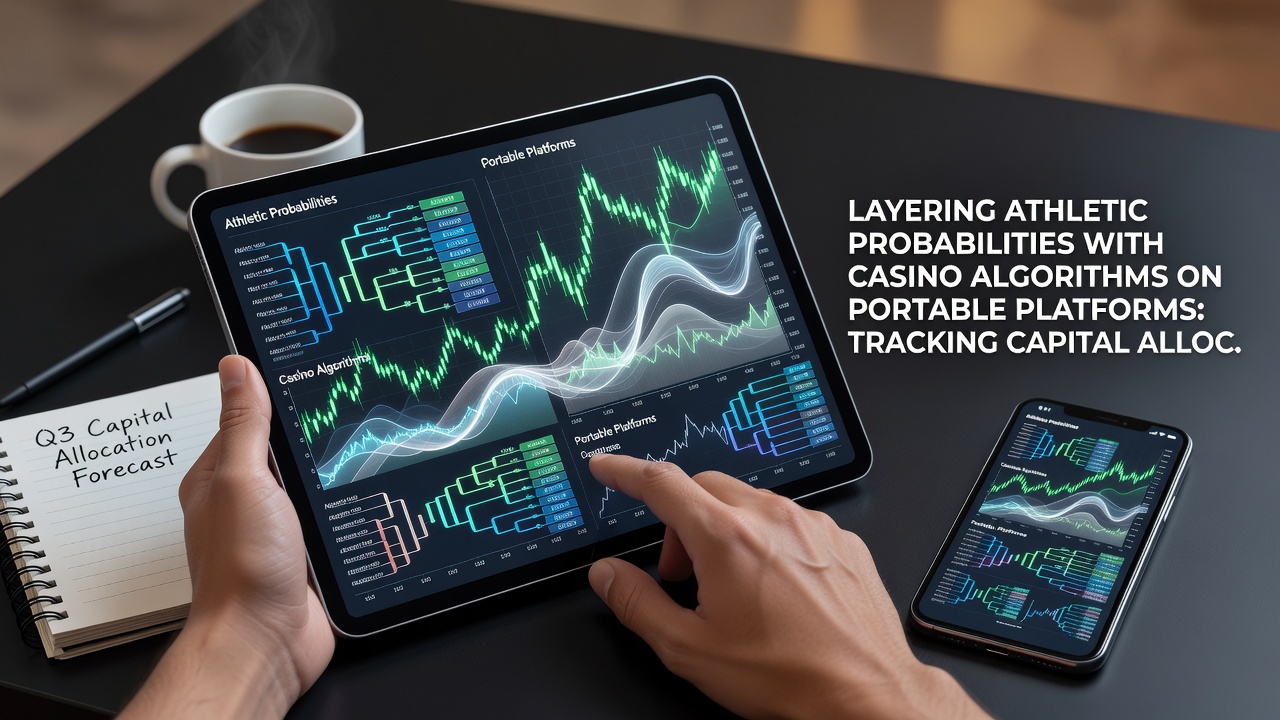
Tracking tools on portable platforms record allocation sequences by logging entry points, probability weights, and exit values for each market segment. Observers note that these records allow users to review how funds move between athletic futures and randomized game rounds within single sessions. Software updates released around August 2026 introduced enhanced visualization layers that highlight allocation clusters, showing where capital concentrates during high-probability athletic windows versus extended casino play periods.
Industry organizations such as the American Gaming Association have documented similar patterns in North American markets, where portable applications integrate data feeds from both sectors to flag allocation imbalances. The systems flag when athletic probability layers suggest defensive positioning while casino algorithms indicate variance opportunities, prompting users to adjust positions accordingly.
Regional Variations in Platform Usage
European and Asian markets display distinct allocation rhythms compared with North American ones, according to data compiled by academic researchers at institutions tracking digital gaming behavior. In regions with established mobile infrastructure, users tend to allocate smaller initial portions to athletic markets before shifting remainder capital into casino sequences based on early event signals. Australian regulatory sources, including reports from state gaming authorities, confirm parallel trends where portable tools emphasize cross-market probability overlays during evening peak hours.
These differences arise from varying regulatory frameworks that govern how platforms present combined probability data, yet the core algorithmic structure remains consistent across borders. Capital allocation logs from portable sessions show repeated cycles where athletic outcomes reset casino exposure limits within the same application environment.
Future Platform Developments
Platform providers continue refining integration points that connect athletic probability engines with casino algorithm outputs on portable hardware. Research papers from university gaming studies groups outline potential expansions in real-time data layering, allowing finer capital distribution controls as device processing power increases. As of August 2026, several major operators have rolled out beta features that sync allocation histories across multiple portable sessions, preserving continuity for users moving between athletic event markets and randomized game environments.
Conclusion
Portable platforms now serve as central points for observing how capital moves through layered athletic probabilities and casino algorithms, with tracking systems capturing allocation patterns across diverse event and game types. Available data from regulatory and research sources document ongoing refinements in these integration methods, particularly following platform updates scheduled around August 2026. The resulting records provide clear visibility into distribution sequences without merging the underlying market mechanics.