Rhythms of Mobile Play: Session Timing in Slots and Football In-Play Markets
Felix Bennett · Jun 23, 2026
Rhythms of Mobile Play: Session Timing in Slots and Football In-Play Markets
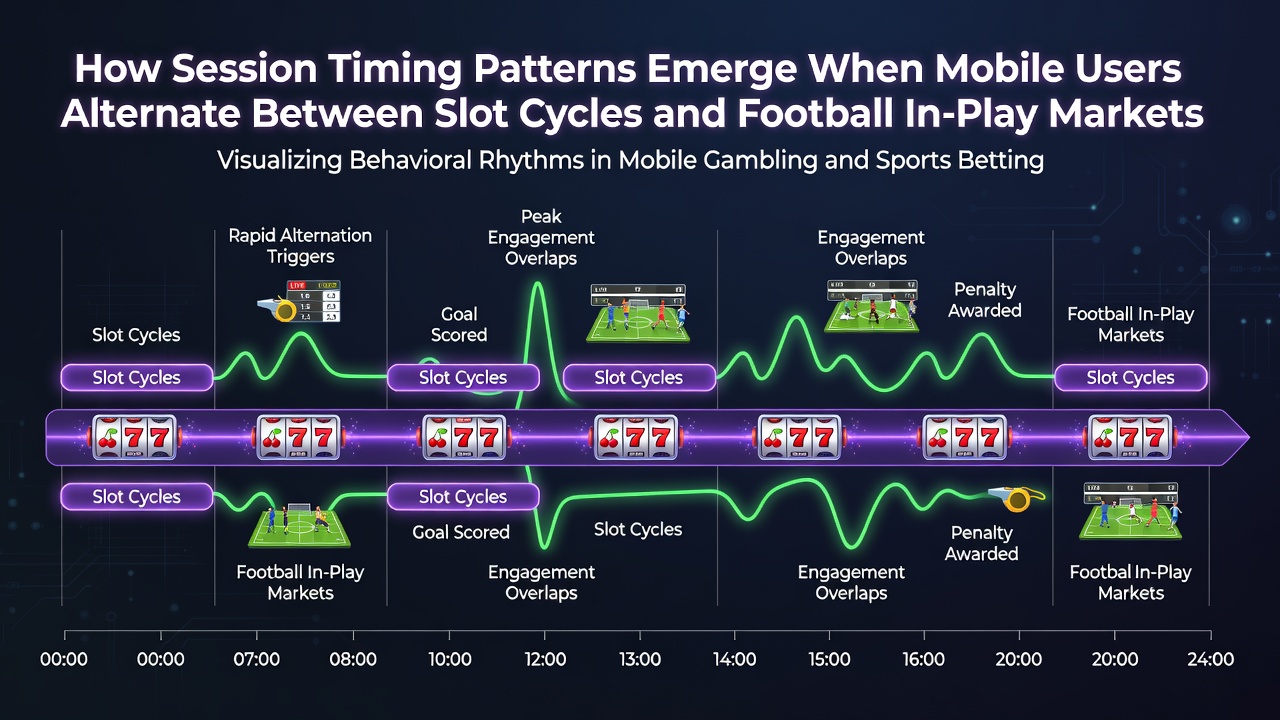
Mobile users frequently shift attention between slot cycles and football in-play markets during single sessions, and data from device analytics platforms reveal distinct timing patterns that emerge from these alternations. These patterns develop because users respond to immediate game events such as reel spins completing or goal updates arriving in real time, which prompts them to switch interfaces without closing the app entirely.
Device Data Reveals Core Timing Structures
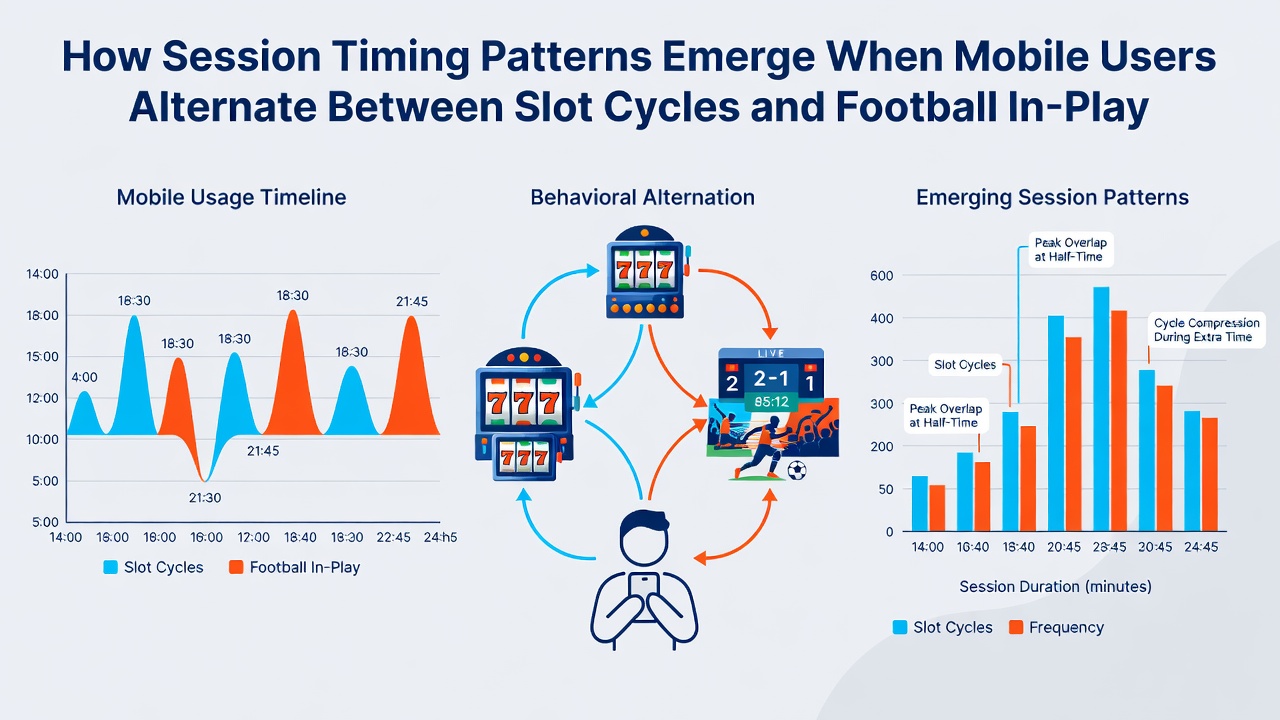
Platform logs collected across multiple operators show that average dwell time on slot interfaces lasts between 45 and 90 seconds before users open the in-play football tab, while football market checks typically last 20 to 40 seconds before returning to slots. Researchers at the University of Sydney documented these intervals in a 2025 study of Australian mobile bettors and noted that the rhythm repeats three to five times within a 15-minute window before users either extend the session or exit the application.
Session length data also indicate that users who begin with slots maintain longer overall engagement when they insert football checks at regular intervals, whereas those who start with in-play football tend to shorten slot cycles after each match event. The alternation creates a feedback loop where slot cycle completion aligns with football match pauses such as throw-ins or substitutions.
Factors Influencing Switch Frequency
Network latency, push notification settings, and account balance thresholds all affect how often users alternate between the two product types. When balance updates appear instantly after a slot win, users often pause football viewing to adjust stakes, which resets the timing pattern and extends the overall session. Conversely, delayed football odds updates can push users back into slot play sooner than planned.
Regional Variations in June 2026
Operators in several markets reported increased alternation rates during June 2026 when major international tournaments overlapped with new mobile app releases. European regulatory filings show that sessions incorporating both product types grew 12 percent compared with the same period in 2025, while Australian data indicated a smaller 7 percent rise during the same window. These shifts coincided with improved live streaming integration that allowed users to keep football visuals visible while spinning slots in a split-screen mode on larger phone displays.
Notification Triggers and User Response
Push notifications about goal scorers or bonus round triggers serve as primary cues that restart the alternation cycle. Users who enable both types of alerts demonstrate shorter intervals between switches than those who rely on manual refreshes. Industry reports compiled by the Canadian Gaming Association highlight that notification-driven switches occur 30 percent more frequently during evening hours when match schedules and slot promotions overlap.
Balance thresholds also play a measurable role. When remaining funds drop below a preset level, many users extend slot cycles and reduce football checks until a win restores the balance above the threshold, at which point they resume alternating at the previous rhythm. This behavior creates predictable pauses visible in aggregated telemetry.
App Design Elements That Shape Patterns
Interface layout influences how fluidly users move between products. Applications that keep both the slot reel and the football scoreboard in the same navigation layer reduce average switch time by several seconds compared with apps that require separate menu selections. Designers who tested tabbed versus layered interfaces found that layered versions produced more consistent 60-second slot cycles interrupted by 25-second football checks.
Sound settings further modulate timing. Users who keep audio on for slot wins often mute football commentary during those moments, creating brief windows where they remain on the slot screen longer before returning to live markets. The reverse occurs when match audio remains active and slot sound effects are disabled.
Conclusion
Observed session timing patterns arise from the interaction of game event timing, notification systems, balance management, and interface design rather than from any single factor. Data collected through June 2026 continue to show that mobile users establish repeatable rhythms when alternating between slot cycles and football in-play markets, and these rhythms vary modestly by region and by the specific features enabled within each application. Continued monitoring of device logs will clarify whether new design choices or regulatory adjustments alter these established intervals in subsequent periods.