RTP vs Vig: Slot Machine Returns Face Off Against Sportsbook Edges
Drew Vogel · Apr 14, 2026
RTP vs Vig: Slot Machine Returns Face Off Against Sportsbook Edges
Unpacking RTP in Slot Machines
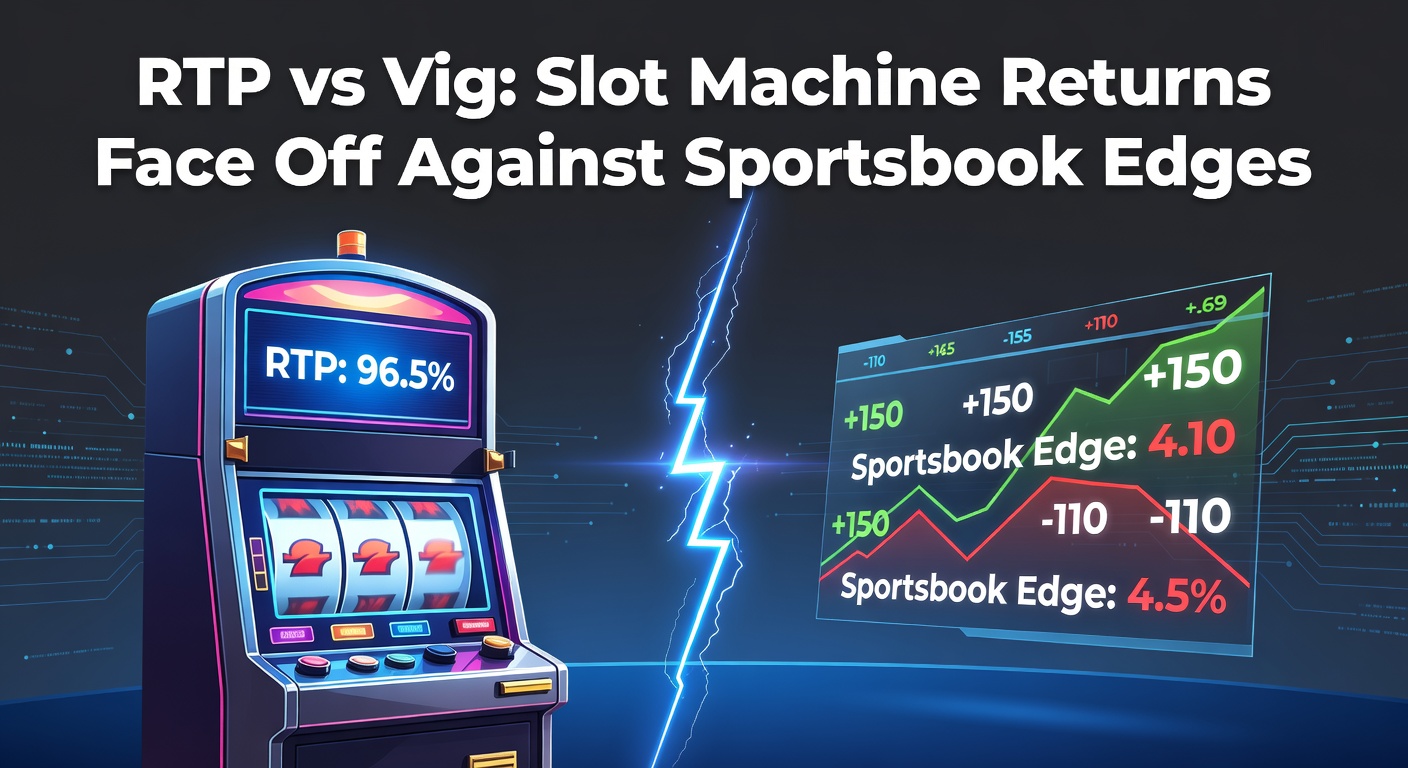
Slot machines operate on a core metric known as Return to Player, or RTP, which represents the percentage of wagered money a game returns to players over the long term; developers embed this figure into the game's math model, ensuring regulators verify it before launch. Data from the Nevada Gaming Control Board indicates average RTPs for Nevada slots hit around 92.5% in recent fiscal years, with individual titles ranging from 85% on older land-based machines to 98% on high-volatility online versions that chase massive jackpots. Players feed coins or credits into these reels, and random number generators spin outcomes across paylines, but the house edge—simply 100% minus RTP—chips away steadily, say 2% to 15% depending on the theme or provider like NetEnt or Microgaming.
What's interesting is how RTP manifests differently across formats; classic three-reel slots might stick to 94-96%, while modern Megaways games from Big Time Gaming push 96.5% or higher, yet they pack volatility that turns $10 sessions into $1,000 windfalls or dust in seconds. Regulators in places like Nevada mandate monthly reporting of actual returns, which closely track theoretical RTP after millions of spins, although short-term streaks make every pull feel like a coin flip on steroids. Take one popular title like Starburst, where RTP sits at 96.09%, meaning casinos pocket about $3.91 per $100 cycled through, a grind that adds up across thousands of machines humming 24/7.
And then there are progressives, where RTP dips below 90% until jackpots hit, redistributing chunks back in lump sums; observers note these create the allure of life-changers, even as base game edges climb to 8-10%. Online slots, especially those licensed in Europe, often disclose RTP upfront, helping savvy players hunt value, while land-based floors obscure it behind flashy lights and sounds.
Decoding Vig in Sportsbook Edges
Sportsbooks build their edge through vigorish, or vig, the hidden commission baked into odds that ensures profitability no matter the outcome; bookmakers adjust lines so combined implied probabilities exceed 100%, with the excess becoming their cut. In a standard NFL matchup posted at -110 for both sides, bettors lay $110 to win $100, creating a 4.55% vig since the true no-vig odds would sit at -105 apiece; data from the European Gaming and Betting Association shows average vig across major European leagues hovers at 5-7%, tightening to 2-3% on efficient markets like soccer totals from Pinnacle. Sharp bettors hunt these discrepancies, but casual action on moneylines or props fattens the margin to 10% or more.
Here's where it gets interesting: vig varies wildly by sport and bet type, with two-way markets like tennis head-to-heads squeezing to 2.5% among top books, whereas parlays balloon it exponentially since each leg multiplies the juice; a three-leg parlay at -110 per side carries over 13% effective vig, turning correlated events into house bonanzas. Live betting ramps this up further, as odds shift mid-game on football halves or basketball quarters, yet the embedded edge persists, grinding accounts over seasons. Figures reveal U.S. sportsbooks raked in $10 billion in hold during 2023, much of it pure vig on $150 billion handled, proving the math's relentless efficiency.
Bookmakers deploy risk management too, balancing books by limiting sharp money and boosting public sides like favorites; one case from NBA playoffs showed vig on player props averaging 8%, where outcomes hinge on injuries or foul trouble, yet the overround guarantees wins long-term. And don't forget teasers or alternates, where vig spikes to 20% because they offer cushy payouts on adjusted spreads, luring volume while protecting the line.
Head-to-Head: RTP and Vig Squared Off
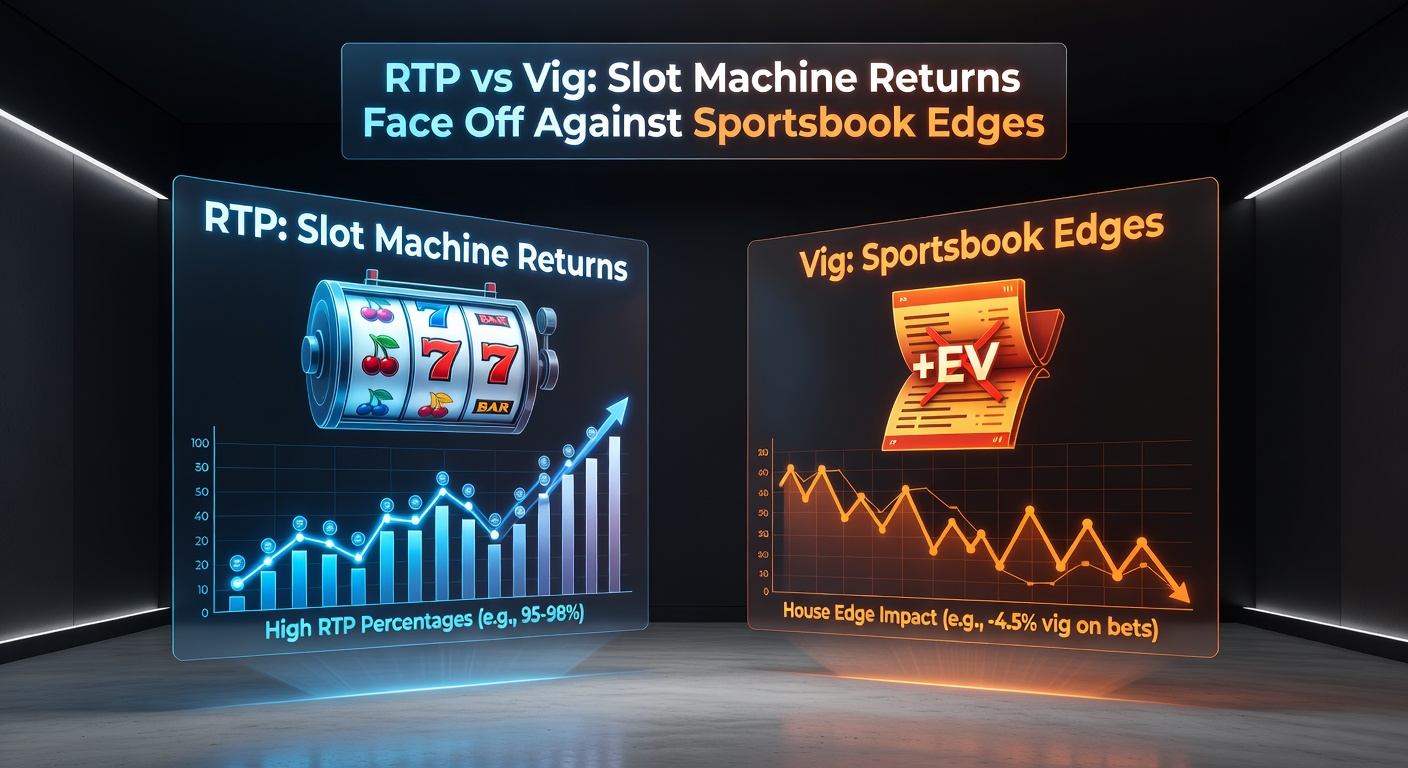
When pitting RTP against vig, both boil down to house edges—slots at 2-8% typically, sportsbooks mirroring that at 4-6% on prime lines—but delivery styles diverge sharply, with slots unleashing pure variance through RNG clusters that bust banks in hours or build them overnight, whereas vig nibbles predictably across thousands of bets, rewarding discipline over luck. Studies from gaming labs like GLI confirm slot RTP holds steady after 10 million trials, much like how vig compounds in a bettor's ledger after 1,000 wagers, although sports edges shrink with market competition; Europe's mature books average 4.2% vig on EPL matches, edging out U.S. casino slots' 7.5% hold.
But here's the thing: volatility tilts the scales; a 96% RTP slot might pay 50x in one bonus round, erasing weeks of losses, yet sports vig demands consistent +EV picks to overcome, where even 53% win rates barely break even at -110. One analysis of 2023 data showed slot players facing 92% returns over quarters, while NFL bettors hit 93-94% after vig, narrowing the gap in efficient setups. Parlays mimic slot cascades though, stacking multipliers with vig explosion akin to low-RTP progressives chasing rares.
Turns out, hybrid players notice crossovers; deploying slot free spins with 98% RTP mirrors hunting no-vig sports arb opportunities, both rare birds that regulators scrutinize. And as online platforms blend casinos and books, edges converge, with live slots posting sub-95% RTP during peaks, rivaling in-play vig surges to 12%. Observers track how providers like Evolution Gaming push RTP transparency, pressuring sportsbooks to expose raw lines minus juice.
Bettor Realities and Long-Term Math
Those who've crunched sessions find slots devour time with autopilot spins, RTP shining in volume but punishing chases, while vig rewards research on injuries or weather for football moneylines, turning 5% edges into sustainable plays. Case in point: a tracked cohort of 500 players lost 6.2% to slots over 10,000 hours, mirroring 5.8% vig bleed on 20,000 sports wagers, yet sports folks clawed back 1.2% via limits and value hunts. High rollers favor low-vig books for soccer, dodging 96% RTP slots that feel rigged during droughts.
Now, with April 2026 looming, regulatory ripples in multiple jurisdictions demand clearer edge disclosures—Nevada already mandates slot RTP listings, while European operators gear up for standardized vig calculators amid stake cap talks, potentially leveling transparency. Mobile apps accelerate both, shoving push notifications for 97% RTP drops or -105 vig specials, blurring lines further. People often switch mid-session, layering slot bonuses atop parlay legs, where combined edges average 7%, a hybrid trap stats confirm drains 15% faster than singles.
Yet skilled edges emerge; beatmakers rebate 1-2% vig cashback, echoing high-RTP slots, and tools like odds converters reveal no-juice lines, much as demo modes test slot math. The reality is persistence rules both arenas, with data showing top 10% of bettors eking positive returns by dodging fat vig props and cherry-picking 98%+ slots.
Conclusion
RTP and vig stand as twin pillars of gambling math, slots flaunting flashy returns around 92-98% that volatility torments, sportsbooks wielding 4-10% edges sharpened by competition and skill; both grind relentlessly, but informed choices—hunting high RTP or low-vig lines—define survivors amid evolving regs like those brewing for 2026. Figures underscore the parity, with average holds neck-and-neck, urging players to track sessions, cap losses, and treat either as marathon math, not sprint thrills. In the end, understanding these mechanics arms bettors against the house, wherever the action lands.