Smartphone Hybrids Merge Virtual Reels with Real-Time Match Feeds
Leon Vogel · Jun 21, 2026
Smartphone Hybrids Merge Virtual Reels with Real-Time Match Feeds
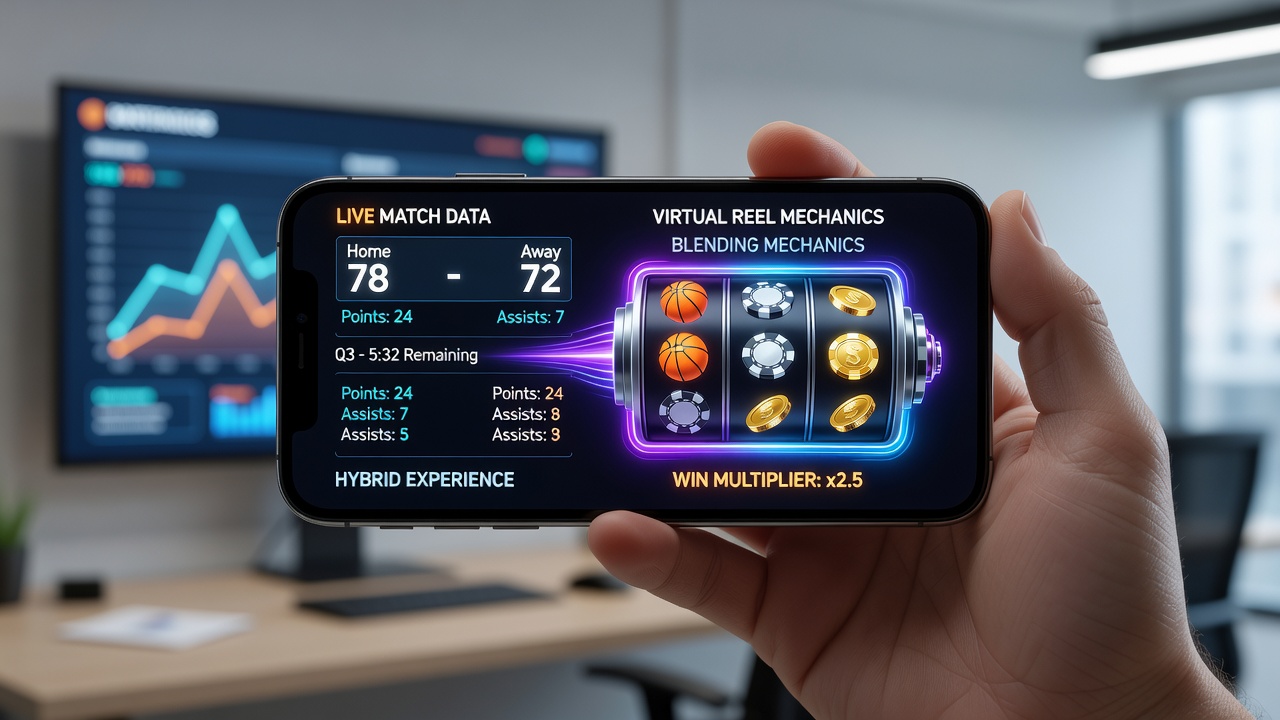
Developers continue to refine smartphone applications that combine virtual reel mechanics from casino games with live match data feeds drawn from sports events, and these hybrids now operate across multiple regions where regulations permit such integrations. The systems pull real-time statistics such as player positions, ball trajectories, adn score updates directly into slot-style interfaces, which then adjust reel outcomes or bonus triggers based on incoming data streams. According to industry reports from the European Gaming and Betting Association, several platforms processed over 12 million such hybrid sessions in the first quarter of 2026 alone.
How Virtual Reel Mechanics Adapt to Incoming Data
Virtual reel systems in these applications rely on random number generators that receive modifiers from external data feeds, and this setup allows symbols or payout multipliers to shift in response to match events like goals or penalties. Engineers design the reels with layered algorithms that maintain certified randomness while incorporating variables such as possession percentages or shot accuracy rates, which arrive via application programming interfaces from sports data providers. Those who have examined the code note that the core RNG cycle completes within milliseconds before any live feed overlay occurs, ensuring compliance with fairness standards set by bodies like the Malta Gaming Authority.
Smartphone processors handle the dual workload through optimized threading, where one process manages reel animations and another ingests the continuous data packets from stadium sensors or broadcast partners. Battery usage remains a key consideration during extended sessions, since constant feed updates can increase power draw by up to 18 percent compared with standalone slot play, according to testing data shared at the 2025 International Gaming Summit in Las Vegas.
Live Match Data Integration Pathways
Live data enters the hybrid applications through secure, low-latency connections that aggregate information from multiple sources including optical tracking systems in stadiums and official league APIs. Developers map specific match variables to reel behaviors, so a completed pass in football might increment a streak counter that unlocks additional free spins, while a missed shot could reset certain bonus meters. This mapping occurs server-side to prevent client-side manipulation, and encryption protocols protect the data in transit across mobile networks.
Technical Requirements for Stable Performance
- Minimum 5G connectivity or equivalent Wi-Fi speeds to maintain sub-second data latency
- Device storage allocation of at least 250 megabytes for cached match histories and reel asset libraries
- Background synchronization protocols that resume interrupted feeds without resetting user progress
Testing conducted by researchers at the University of Nevada, Reno gaming laboratory showed that hybrid sessions maintained 99.2 percent uptime during simulated peak loads equivalent to major tournament finals. The study also highlighted that fallback mechanisms automatically switch to pre-loaded statistical models when primary feeds experience brief outages, preserving session continuity for users.
Regional Rollouts and June 2026 Developments
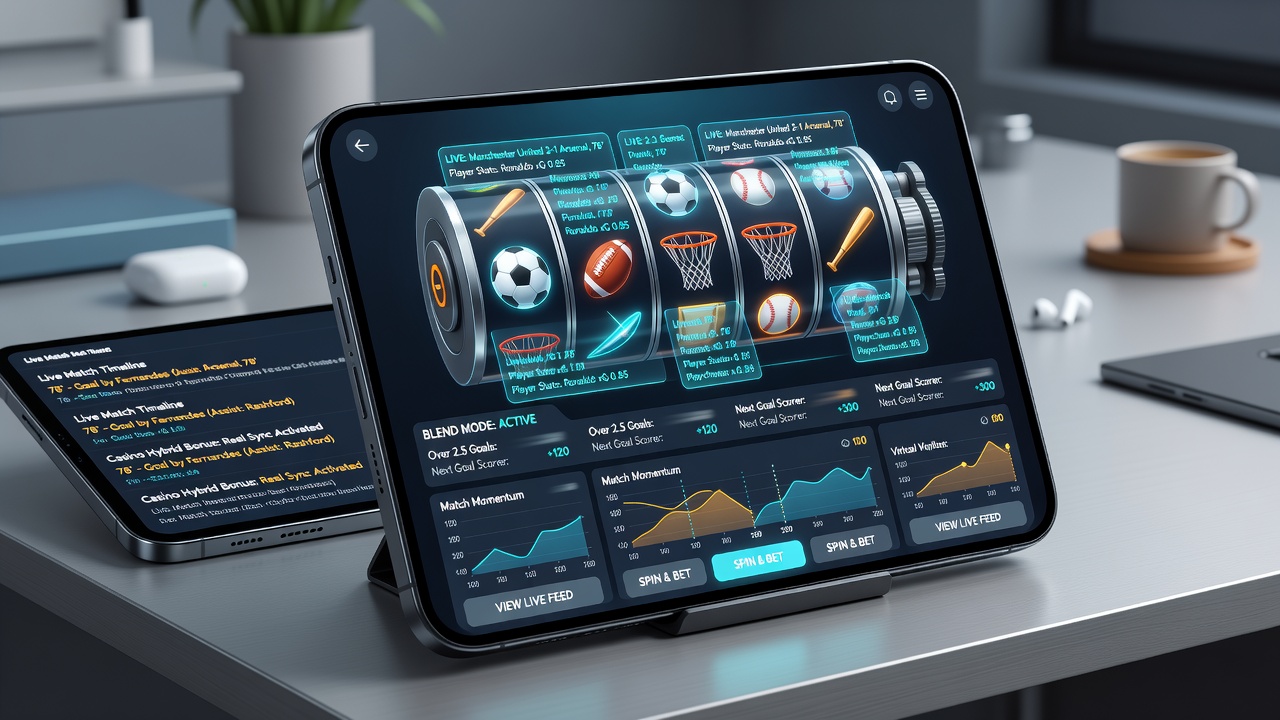
Platforms expanded availability of these hybrid features in several markets during June 2026, coinciding with the start of new football seasons in Europe and South America. Regulatory updates in Canada and parts of Australia required additional transparency reports on how live data influences reel probabilities, leading operators to publish monthly summaries of modifier frequencies. Figures from the Canadian Gaming Association indicate that hybrid game revenue grew 27 percent year-over-year in provinces where these titles launched earlier in the year.
Operators now employ modular data pipelines that let them swap in new sports feeds without rebuilding entire applications, and this flexibility supports quick additions such as tennis point-by-point updates or basketball shot-clock integrations. Partnerships with data firms like Opta and Sportradar supply the standardized feeds, while game studios handle the visual mapping that keeps reel animations synchronized with on-screen match highlights.
Player Interaction Patterns Observed Across Platforms
Analytics dashboards within the applications reveal that users often engage longer when live data directly influences reel sequences, with average session times extending from 14 minutes in standard slots to 22 minutes in hybrid modes. Session logs show frequent switches between sports views and reel controls, suggesting players monitor match developments while adjusting bet sizes or reel speeds. Observers note that tutorial overlays guide new users through the data-to-reel connections during initial sessions, reducing early drop-off rates.
Security audits performed by independent firms verify that no single data point can override the certified randomness threshold, and multi-factor authentication protects account-linked funds during these extended play periods. Updates rolled out in spring 2026 added optional pause functions that freeze both reel cycles and data ingestion when users step away from their devices.
Conclusion
Smartphone-based hybrids continue to evolve through tighter coupling of virtual reel systems and live sports feeds, supported by advancing mobile hardware and standardized data protocols. As June 2026 progressed, operators refined these integrations to meet varying regulatory expectations across different jurisdictions while maintaining core technical reliability. The approach demonstrates how established casino mechanics can incorporate external event streams without compromising certified fairness standards.